

10 out of TEM
Part One - A Chance to Stack the Deck

Real-world Threat and Error Management for the modern flight deck.
A Two Six Left mini-series navigating through the haze of Threat and Error Management - shifting the focus to how TEM can make our lives easier when the stress levels rise.
Loadsheet complete.
The hum of the printer spitting out the latest ATIS almost lost against the steady drone of the packs.
A quick sip of coffee and an overview of the planned departure…
“Threats on the way out?”
“Busy airspace…”
“Right - we’ll mitigate that with a sensible rate of climb. Anything else?”
A shake of the head. “All good.”
Sound familiar?
That quick, confident exchange that feels like it ticks the box…
But if those Swiss-cheese holes actually start lining up, would it really translate into something useful when it matters most?
We’ve identified a threat and even briefed an avoidance strategy.
But as we know, sometimes the “sensible rate of climb” isn’t quite enough to keep the threat from developing…
What if - despite our sensible climb rate - it’s actually another aircraft descending at 3,000 feet per minute that triggers the TCAS anyway?
Funny how it’s so often the familiar threats that catch us out.
That inevitable burst of adrenaline might’ve been tempered by simply refreshing the memory items back on stand - right after we’d flagged the busy airspace as a threat and were still nursing a (let’s say: half-decent) coffee in the calm before the climb.
Same threat.
But our mental model?
Way more prepared.
And that’s really the point.
Done properly, TEM can make our lives easier in a stressful moment.
It might not be the textbook definition - but if TEM were a beer, that would probably be the tagline on the tap.
Yet sometimes, we miss the chance to give ourselves that valuable little head start - to make life that bit easier when it matters most.
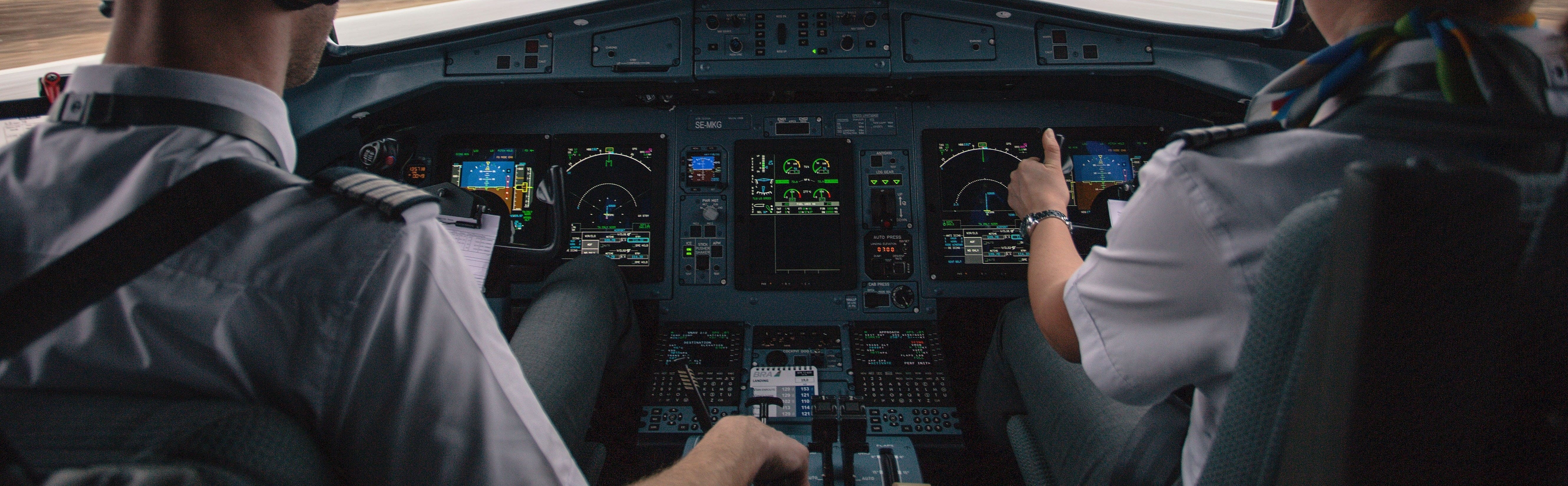
TEM - A Chance to Stack the Deck
We all know the theory.
Threat and Error Management is all about managing threats, catching errors - and ultimately flying another day.
But despite knowing the textbooks and PowerPoints by heart, why is it that on the line it can sometimes feel like it’s morphed into a briefing bolt-on?
Or worse, a bit of lip service to tick the box.
What if we stripped it back and reframed it more simply - as an opportunity to make a challenging scenario that bit easier to manage?
A small head start.
A simple way to stack the deck slightly in our favour when it matters most.
Who doesn’t want to make things easier?
On the flip side, a half-hearted TEM review can be a bit like turning up for an exam without having opened the book - even though we’ve already built the question bank.
Take a tailwind approach.
Naturally, our first instinct is planning how to avoid becoming unstable in the first place.
But if we stop there, without taking it a step further and thinking through what happens if the tailwind wins anyway, it’s a bit like choosing not to revise.
Suddenly the conversation shifts from avoiding the threat…
…to having a plan in place to manage the worst case if it manifests anyway.
Maybe it’s worth rehearsing the go-around actions?
Or even considering what we’ll do if the tailwind ultimately leads to a long landing?
Done properly, it almost feels like cheating on that exam.
Not because we’ve predicted the future.
But because we’ve already rehearsed the response whilst our workload (and heart rate) were still low.
The real value of TEM isn’t simply identifying the threat.
It’s reducing the amount of thinking we need to do when those Swiss-cheese holes begin to line up.
The threat may still materialise.
The workload may still spike.
But if we’ve already revised the response?
The peak of that spike is more molehill than mountain.
—
Two Six Left

Know someone who’d enjoy this?
Tell them where to land: